
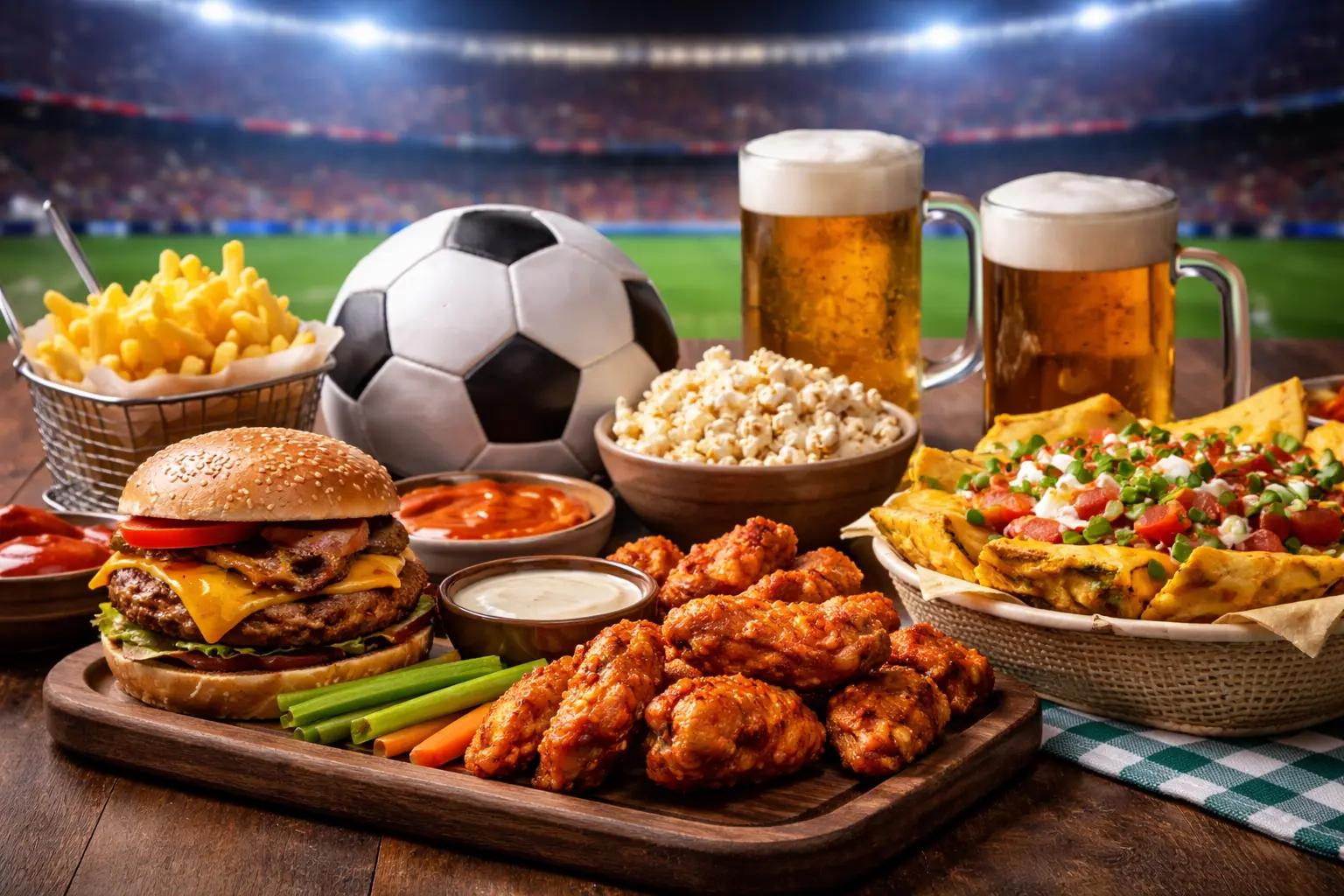

Have you ever noticed how watching a football match in 2026 feels completely different from the past? It’s no longer just about the 90 minutes on the pitch—it has become a complete entertainment experience, where food, technology, and fan engagement play a major role in shaping the atmosphere inside the stadium.
One of the biggest changes in modern football culture is the rise of the Football Club Menu. What used to be simple stadium snacks like burgers, hot dogs, and soft drinks has now transformed into a highly organized and strategic part of the matchday experience. Today, football clubs around the world carefully design their menus not only to serve food but also to represent their brand identity, local culture, and global fan expectations.
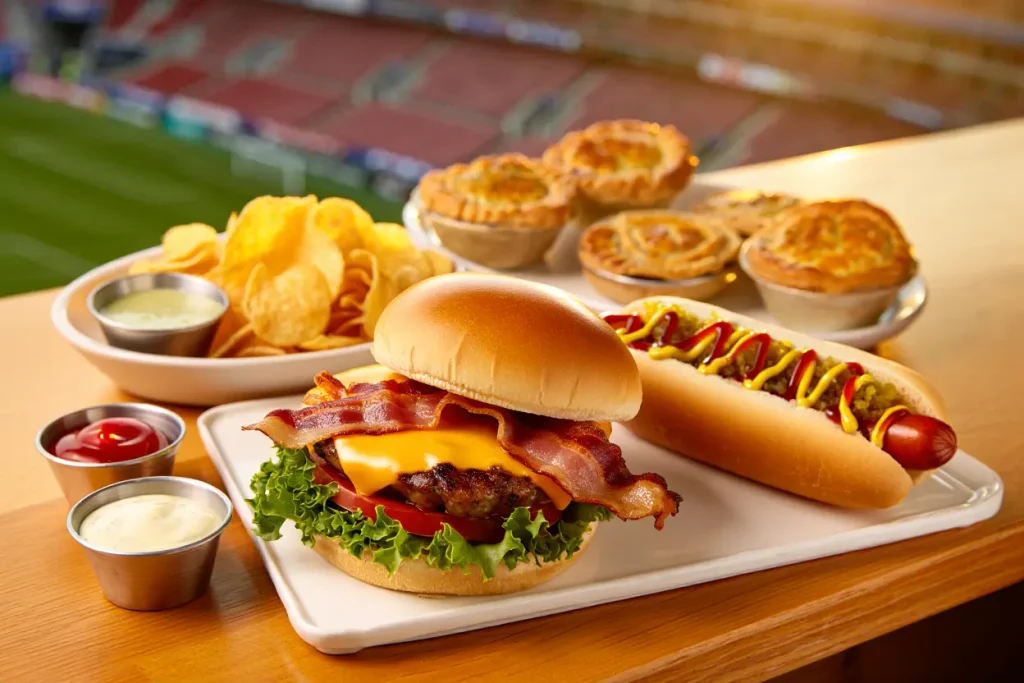
In 2026, a Football Club Menu includes much more than traditional fast food. Fans can now enjoy gourmet meals, healthy diet options, international cuisines, vegan-friendly dishes, and even chef-curated signature meals inspired by famous players. At the same time, modern technology has completely changed how fans interact with stadium food services. Mobile apps, QR code ordering, smart kiosks, and cashless payment systems allow supporters to order food directly from their seats without missing any action on the field.
Beyond convenience, food has also become an emotional part of the football experience. Sharing a meal with friends, celebrating a goal with a drink, or enjoying local stadium specialties helps fans build stronger connections with their club and the overall matchday atmosphere.
Another important factor is the business side of football. Clubs now generate a significant portion of their revenue from food and beverage sales. As a result, the Football Club Menu has become a powerful business tool, helping clubs increase income while improving fan satisfaction at the same time.
In this article, you will learn everything about:
- What a Football Club Menu actually is in modern football
- How stadium food culture has evolved over the years
- The most popular types of food and drinks in 2026
- How technology is changing stadium dining experiences
- The business impact and future trends of football club menus
By the end of this guide, you will clearly understand how something as simple as stadium food has evolved into a global trend that enhances fan experience, strengthens club identity, and transforms every match into a full entertainment journey.
Modern football has become more than just a game. Fans now experience a complete football match experience 2026 with food, technology, and entertainment inside the stadium.
Learn more about modern stadium experience in our detailed guide on football stadium guide.
Table of Contents
What is a Football Club Menu?
A Football Club Menu refers to the complete range of food and beverage options available inside football stadiums, fan zones, VIP lounges, and club-affiliated restaurants. In modern football, it is no longer just a simple list of snacks—it is a carefully designed part of the overall matchday experience. Explore more about stadium food culture to understand how food shapes modern football experiences.
In 2026, football clubs use menus as a way to reflect their brand identity, local culture, and global fan expectations. From fast food like burgers and fries to premium gourmet meals and international cuisines, every item is planned to enhance the fan experience.
Today, a football club menu also includes digital ordering systems, mobile apps, and customized food options, making it an essential part of the modern stadium ecosystem rather than just a food service.ience.
Why the Football Club Menu Matters
Football club menus play a much bigger role than just serving food—they directly impact fan satisfaction, revenue generation, and overall matchday experience.
For fans, stadium food creates emotional moments. Eating while watching a live match, celebrating a goal with friends, or sharing snacks builds a stronger connection with the club. This makes the experience more memorable and enjoyable.
From a business perspective, football clubs earn a significant portion of their income through food and beverage sales. A well-designed menu can increase spending per fan while also attracting premium customers through VIP dining and exclusive food experiences.
UEFA also provides insights on modern football development.
In addition, modern clubs use food offerings to strengthen their brand identity and sponsorship opportunities, making menus an important part of sports marketing strategy.
Types of Food in Stadiums
Modern stadiums offer a wide variety of food options to satisfy different types of fans. The football club menu in 2026 includes everything from traditional fast food to healthy meals and luxury dining.
Classic stadium foods like burgers, hot dogs, fries, nachos, and popcorn remain popular because they are quick, affordable, and easy to enjoy during matches.
At the same time, many stadiums now offer healthy alternatives such as salads, fruit bowls, smoothies, and whole-grain meals to meet growing health awareness among fans.
Premium sections of stadiums provide gourmet food experiences, including specialty pizzas, chef-designed burgers, and fine dining services in VIP lounges. International cuisine such as Mexican tacos, Italian pasta, and Asian street food is also becoming common, reflecting the global nature of football audiences.
Healthy Food Options in Modern Stadiums
In 2026, healthy food options in modern stadiums have become an essential part of the Football Club Menu, reflecting the growing demand for better nutrition and balanced eating habits among football fans. Stadium food is no longer limited to fast food and heavy snacks—clubs are now focusing on offering healthier alternatives that support energy, wellness, and overall fan satisfaction during matchdays.
One of the most popular healthy choices is fresh salads. These are usually made with leafy greens, vegetables, lean proteins like chicken or tuna, and light dressings. Salads provide a nutritious and filling option for fans who want to enjoy the match without consuming heavy or oily food. They are especially popular among health-conscious supporters and families.
Another common option is fruit cups and smoothies. These items are refreshing, easy to consume, and perfect for both hot and cold matchdays. Fresh fruits such as apples, oranges, berries, and melons provide natural energy and hydration, while smoothies offer a quick boost of vitamins and nutrients.
Whole-grain meals are also becoming widely available in modern stadiums. Items like whole-grain sandwiches, wraps, and rice bowls provide a balanced combination of carbohydrates, fiber, and protein. These meals help maintain energy levels throughout the match without causing discomfort or heaviness.
Many football clubs are also introducing plant-based and vegan-friendly options as part of their healthy food strategy. These meals are designed for fans who prefer vegetarian diets or want more sustainable food choices. Plant-based burgers, vegan wraps, and dairy-free snacks are now common in several top stadiums around the world.
Overall, the inclusion of healthy food options in football stadiums shows how the Football Club Menu is evolving beyond traditional fast food. It now focuses on health, variety, and fan well-being, ensuring that every supporter can enjoy the match while maintaining a balanced diet.
Technology in Stadium Food Service
Technology has completely transformed how fans experience stadium food in 2026. A modern football club menu is now deeply connected with digital innovation and smart systems.
Fans can now use mobile apps to browse menus, place orders, and make payments without waiting in long queues. Contactless payment systems and QR code ordering have made transactions faster and more convenient. Learn how technology is changing sports in sports technology in 2026.
Many stadiums also use smart kiosks and automated ordering systems to improve efficiency during peak match times. This reduces waiting time and ensures better service for thousands of fans at once.
In the future, artificial intelligence and data tracking may even allow stadiums to offer personalized food recommendations based on fan preferences and purchase history.
Beverage Options at Football Clubs
Beverages are an essential part of the football club menu.

Common Drinks
- Soft drinks
- Fresh juices
- Coffee and tea
- Milkshakes
These drinks help fans stay hydrated and energized.
Future of Football Club Menus
The future of football club menus is expected to become even more advanced, personalized, and technology-driven. In the coming years, stadium food services will likely be powered by AI, automation, and smart analytics.
Robotic kitchens and automated food preparation systems may help deliver faster service with consistent quality. AI-based systems could analyze fan behavior and suggest meals based on taste, weather, or match type.
Sustainability will also play a major role. Clubs will focus more on eco-friendly packaging, zero-waste systems, and locally sourced ingredients to reduce environmental impact.
Official football governance updates and stadium innovations can be found on FIFA.
Overall, football club menus will continue evolving into a fully integrated part of the entertainment experience, combining food, technology, and fan engagement.
Business Impact of Football Club Menus
The Football Club Menu is no longer just a part of stadium hospitality—it has become a powerful revenue-generating business engine for modern football clubs. In 2026, food and beverage services inside stadiums play a critical role in shaping both the financial performance of clubs and the overall fan experience.
One of the most important business impacts of football club menus is revenue growth. Millions of fans attend matches every year, and even small spending on food and drinks can generate massive income when multiplied across a full stadium. From fast food items like burgers and snacks to premium VIP dining experiences, every purchase contributes directly to club profits. In many top clubs, matchday food sales are now one of the most reliable and consistent income streams outside ticket sales and broadcasting rights.
Another major impact is brand identity enhancement. Football clubs are global brands, and their food offerings are now carefully designed to reflect their identity, culture, and values. For example, clubs often include signature dishes inspired by local cuisine or famous players, which helps strengthen emotional connections with fans. This not only improves fan loyalty but also increases long-term brand value.
The sponsorship and partnership opportunities created by football club menus are also significant. Food brands, beverage companies, and global restaurant chains actively collaborate with football clubs to promote their products inside stadiums. These partnerships often include exclusive branding rights, co-branded menu items, and promotional campaigns during matchdays, creating additional revenue streams for both parties.
Furthermore, football club menus contribute to fan engagement and spending behavior. A well-designed menu with variety, quality, and convenience encourages fans to spend more time and money inside the stadium. Premium dining areas, VIP lounges, and exclusive food experiences attract high-value customers who are willing to pay more for comfort and luxury. This tiered pricing strategy allows clubs to maximize revenue from different types of fans.
Technology has also amplified the business impact of stadium food services. With mobile ordering apps, QR-based menus, and cashless payment systems, clubs can now serve more fans efficiently while reducing operational costs. Faster service leads to higher customer satisfaction, which directly increases repeat spending and overall profitability.
However, managing this system also comes with challenges. Large crowds, limited time during halftime, supply chain management, and maintaining consistent food quality require strong operational planning. Despite these challenges, clubs that invest in efficient systems and innovation see significant long-term financial benefits.
In conclusion, the football club menu is not just about food—it is a strategic business asset. It drives revenue growth, strengthens global branding, increases sponsorship opportunities, and enhances fan engagement. As football continues to grow worldwide, the business importance of stadium menus will only become stronger, making them a key part of modern sports economics.
Tips for Creating a Successful Football Club Menu
Creating a successful Football Club Menu is not just about adding food items—it is about designing a complete fan experience, business strategy, and brand identity that works together inside the stadium environment. In 2026, football clubs that succeed in food service are those that carefully balance quality, speed, variety, and technology to meet modern fan expectations.
One of the most important tips is to focus on variety and inclusivity. A successful football club menu should offer something for everyone, including fast food lovers, health-conscious fans, and premium customers. This means combining classic stadium foods like burgers, fries, and hot dogs with healthier options such as salads, fruit bowls, smoothies, and plant-based meals. At the same time, adding international cuisines helps attract global audiences and makes the stadium experience more exciting and diverse.
Another key factor is speed and efficiency of service. During matchdays, especially at halftime, thousands of fans try to order food within a short time. If service is slow, it can lead to frustration and lost sales. That is why modern football clubs invest in smart kiosks, mobile ordering apps, and well-organized food stations to reduce waiting time and improve customer flow. Faster service not only increases sales but also improves overall fan satisfaction.
Maintaining consistent food quality is also essential. No matter how large the crowd is, fans expect the same taste, freshness, and hygiene standards every time they visit. Clubs that fail to maintain quality risk damaging their reputation and losing repeat customers. Proper training of staff, quality control systems, and reliable suppliers play a major role in ensuring consistency.
Another important tip is to keep pricing balanced and strategic. A successful football club menu should include both affordable options for general fans and premium items for VIP guests. This tiered pricing strategy allows clubs to maximize revenue while still keeping the stadium accessible to all types of supporters. Overpricing basic items can reduce sales, while underpricing premium items can limit profit potential.
Technology integration is also a key success factor. In 2026, clubs that use mobile apps, QR code menus, contactless payments, and AI-based ordering systems are able to serve fans more efficiently and collect valuable data about customer preferences. This data can later be used to improve menu design, personalize offers, and increase overall sales performance.
Finally, sustainability has become a major expectation. Successful football clubs now focus on eco-friendly packaging, reducing food waste, and sourcing ingredients locally. This not only improves environmental responsibility but also strengthens the club’s global image and brand reputation.
In conclusion, a successful football club menu is built on a combination of variety, speed, quality, smart pricing, technology, and sustainability. Clubs that apply these principles can significantly improve fan experience, increase revenue, and turn matchday food service into a powerful business asset.
Future Trends in Football Club Menus
The future of Football Club Menus is evolving rapidly as football clubs move toward a more advanced, technology-driven, and fan-focused experience. In 2026 and beyond, stadium food is no longer just about eating—it is becoming a fully integrated part of entertainment, digital interaction, and business innovation inside modern football culture.
One of the biggest future trends is the rise of AI-powered personalization. Football clubs are beginning to use artificial intelligence to analyze fan preferences, purchase history, and even matchday conditions to recommend the perfect food options. This means fans may soon receive personalized menu suggestions directly on their mobile apps, making the ordering process faster, smarter, and more convenient than ever before.
Another major trend is the growth of robotic and automated food services. Many modern stadiums are already experimenting with automated kitchens, self-service food stations, and robotic assistants to prepare and deliver food quickly during peak match times. This innovation helps reduce waiting time, improve accuracy, and ensure consistent food quality even in large crowds.
Digital transformation will continue to play a huge role in the future of stadium dining. Mobile ordering apps, QR-code menus, and cashless payment systems are expected to become standard across all major football stadiums. Fans will be able to order food directly from their seats, track delivery in real-time, and avoid long queues completely. Some advanced stadiums may even integrate augmented reality (AR) menus to make the ordering experience more interactive and engaging.
Sustainability is another powerful trend shaping the future of football club menus. Clubs are increasingly focusing on eco-friendly packaging, zero-waste policies, and locally sourced ingredients to reduce their environmental impact. This shift not only supports global sustainability goals but also improves the club’s brand image among environmentally conscious fans.
In addition, we will see the rise of health-focused and customized nutrition options. As fans become more health-conscious, stadiums will offer more plant-based meals, low-calorie options, and diet-specific menus tailored to individual needs. This reflects a broader global trend where food is not only about taste but also about wellness and lifestyle.
Finally, the concept of the stadium itself is changing. Future football stadiums will act more like smart entertainment hubs, where food, technology, and fan engagement are fully connected. From AI-driven kitchens to smart seating that allows instant ordering, every part of the experience will be designed to maximize comfort, speed, and enjoyment.
In conclusion, the future of football club menus is moving toward a world where technology, personalization, sustainability, and fan experience work together seamlessly. What was once simple stadium food is now becoming a key part of the global football entertainment ecosystem, shaping how fans experience the game both on and off the pitch.
FAQs
What foods are available in football stadiums?
Most stadiums offer burgers, fries, snacks, and healthier options.
Are vegetarian options available?
Yes, many clubs now provide plant-based meals.
Can fans order food from seats?
Yes, modern stadiums offer mobile ordering.
Conclusion
The football club menu has evolved far beyond simple stadium snacks. In 2026, it represents a powerful combination of food culture, technology, business strategy, and fan experience.
From traditional fast food to premium dining and AI-powered ordering systems, modern stadium menus are designed to enhance every aspect of matchday enjoyment.
As football continues to grow globally, the importance of well-designed club menus will only increase—making them a key part of both fan satisfaction and club revenue growth.
Stay updated with latest football news on football news page.
Editorial Note
This article has been carefully researched and written to provide accurate, up-to-date, and helpful information about football club menus and modern stadium dining trends in 2026.
Our goal is to deliver high-quality, reader-friendly content that enhances knowledge and improves the overall user experience. All information is reviewed to ensure clarity, relevance, and usefulness for a global audience of football fans and readers interested in sports culture.
Author Credit
SportsUpdate24h Editorial Team
This content was created by the SportsUpdate24h Editorial Team, a group of passionate writers and researchers dedicated to covering sports news, trends, and insights from around the world.
