

Every fantasy football owner has faced that sinking feeling when a trade turns out lopsided. What if you had a fantasy football trade analyzer to give you a reality check before accepting or offering deals? Trade analyzers act like a “fantasy stock ticker,” crunching the numbers on player values to reveal which team really wins the swap. In this guide, we’ll explain what a trade analyzer is, how it works, and why top analysts and players swear by these tools.
You’ll learn how NFL fantasy football trade analyzer tools work in redraft and dynasty leagues, discover the best trade analyzer fantasy football tools for 2026, and get expert tips on using them to build a championship roster. Ready to never regret a trade again? Let’s dive in!
If you’re new to fantasy tools, check our guide on Best Fantasy Football Apps 2026
Table of Contents
What is a Fantasy Football Trade Analyzer?
A fantasy football trade analyzer is a specialized tool (often online) that evaluates player-for-player or package trades to estimate which side is getting the better deal. In other words, it compares the combined value of all players and draft picks in each trade proposal. The analyzer uses up-to-date projections, rankings, and scoring settings to assign a numeric trade value to each player. It then adds up the values on each side to indicate who’s ahead. Think of it as a “sanity check” for your roster moves. By quickly showing which team gains more value, a trade analyzer helps avoid one-sided deals and ensures you’re trading from a position of strength.
Trade analyzers are available for both redraft and dynasty fantasy football. You’ll find specialized tools like the Dynasty Nerds trade calculator (for long-term leagues) and others focused on weekly redraft leagues. Some popular options include the RotoTrade Fantasy Football Trade Analyzer, FantasySP Trade Analyzer, and FantasyPros analyzer, among others. Each tool may use slightly different data, but the core idea is the same: use statistical models to grade trade fairness. The result is an objective take on deals that can supplement your own scouting of players.
Why Use a Trade Analyzer?
Imagine turning down a trade only to realize later you actually could have won it, or vice versa — accepting a trade that backfired hard. A trade analyzer gives you confidence by highlighting winning and losing sides before deals are made. Here are key benefits:
- Objective Second Opinion: It’s easy to overvalue a player you like. An analyzer offers a data-driven check on instincts, flagging when trades are truly uneven.
- Time Savings: Rather than manually adding up projections for each player, you get an instant verdict on trade value.
- Identify Trends: Analyzers often update values weekly. If a player has a breakout game, their trade value rises in the tool. You can spot buying/selling opportunities (e.g. “buy low” candidates on your roster).
- League Compliance: In some leagues, commissioners use analyzers to veto lopsided trades. Knowing the analysis ahead of time keeps you one step ahead.
- Advanced Features: Many analyzers now factor in future draft picks, roster construction, or even other teams’ needs, especially in dynasty formats.
In short, a fantasy football trade analyzer helps balance emotion with analysis. As one expert puts it, it reveals “if you’re getting a fair shake or being robbed”. When used wisely, it’s an invaluable weapon — but remember, it should augment not replace your own team knowledge.
How Do Trade Analyzers Work?
Trade analyzers work by blending player projections with a valuation model. Most major tools use yearly or weekly projected stats and convert those into fantasy points. They compare each player in the trade to typical players at that position (using “trade value charts”) and then calculate a score for each side.
For example, the FantasyFootballTradeAnalyzer tool explains that it “compares each player to the rest of those at his position to get a more accurate trade value” before summing the totals for each team. In practice, that means a running back’s value is judged relative to other RBs, and a wide receiver relative to WRs. This avoids, say, comparing a QB to an RB on raw points; each position’s context matters. Some analyzers even allow you to factor in draft picks by converting picks into point values (like pick #1 ~ 1000 points, etc.) as they do in dynasty trade calculators.
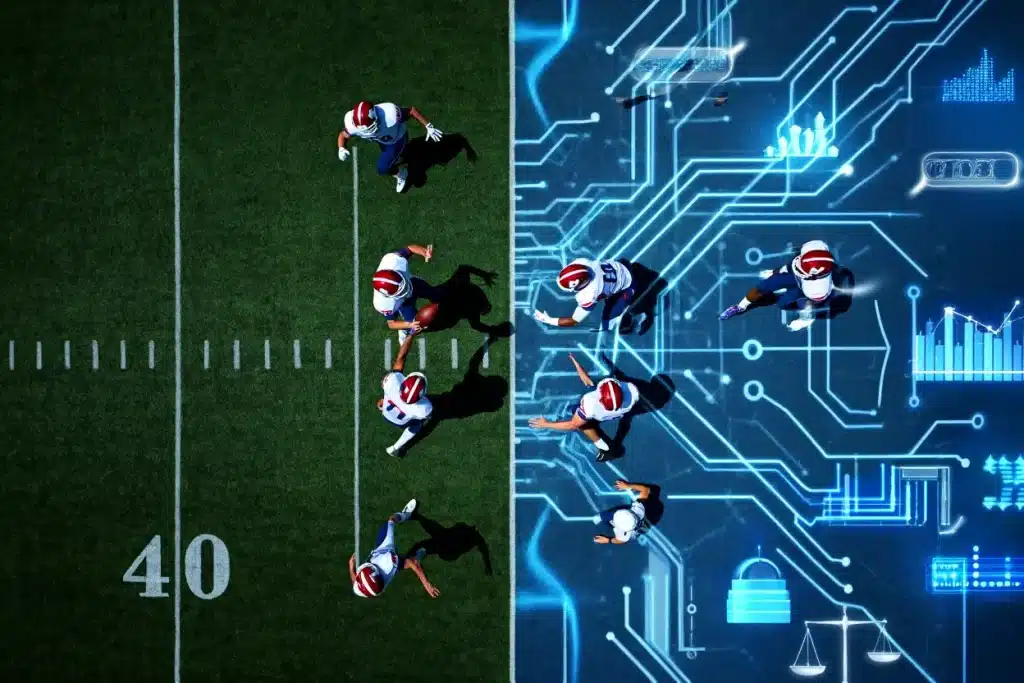
Many tools use dynamic models that update throughout the season. For instance, RotoTrade’s analyzer uses a “dynamic player valuation model” that adjusts after each week based on current performance, injuries, and schedule. FantasySP’s analyzer has been “breaking down trades for over a decade,” and their ratings incorporate past, present, and expected performance across dozens of categories. In 2025, FantasySP even added an AI-powered breakdown feature that considers your roster’s strengths and league settings to suggest improvements.
Popular tools like FantasyPros and FantasySP offer advanced trade analysis.
The bottom line: trade analyzers use current projections and expert-tuned formulas. They give each side a Trade Score or verdict (often phrases like “Strongly favor Team A” or a letter grade). While exact methods vary, all analyzers essentially answer: “Given current expectations, which team emerges stronger?”
Top Fantasy Football Trade Analyzers for 2026
Looking for the right tool? Here are some of the most popular and powerful fantasy football trade analyzers available:
- RotoTrade Fantasy Football Trade Analyzer: A well-known free tool that supports both redraft and dynasty leagues. It provides side-by-side trade value comparisons, pros/cons for each player, and even a fun animated reaction GIF. RotoTrade’s model is updated regularly and accounts for weekly schedules and stats.
- FantasySP NFL Trade Analyzer: This analyzer assigns a rating to each player (using the site’s FSP rating system) and sums them to determine which side is stronger. FantasySP’s tool emphasizes historical reliability, noting they were among the first to use advanced player ratings. Recent updates include personalized AI breakdowns of unfair trades and “fair trade” ratings. It’s free to use on their site, and you can deep dive into trade suggestions once you sign up.
- FantasyPros Trade Analyzer: FantasyPros syncs with your actual league (ESPN, Yahoo, etc.) so you can plug in real rosters. It then shows a weighted score indicating which side boosts its post-trade record more. It works with all scoring formats (PPR, standard, Superflex) and is available via their website or mobile app. This is a handy all-in-one solution for many serious players.
- Draft Sharks Trade Analyzer (Trade Navigator): Draft Sharks offers a two-part system. The Trade Analyzer part evaluates any proposal with detailed breakdowns of weekly or seasonal impact. It even identifies winners and losers using both their own and consensus player values. Their Trade Finder (separate tool) scans for potential swap candidates. Access is free for a week trial, then via subscription.
- Razzball Trade Analyzer: Known for their sharp projections, Razzball’s analyzer is praised for speed and accuracy. It allows toggling between per-game or full-season expected stats for each player. After comparing, it delivers a clear verdict with supporting projected stat tables. Try it at Razzball’s site to see their “distinctive” trade verdict style.
- Dynasty League Football Trade Analyzer: If you play dynasty, DLF’s tool is very handy. It gives an overall value score for all players and draft picks involved. Unique features include suggestions for rebalancing uneven trades and showing recent comparable trades involving those players. It’s tailored to dynasty needs and even factors in long-term potential.
- Dynasty Nerds Trade Calculator: A favorite among dynasty gurus, the Dynasty Nerds tool provides expert-set values (based on Premium dynasty rankings) for 500+ players. Their free version lets you test up to 3 trades per day. It instantly generates a point breakdown and verdict. The site claims “50,000+ active users” trust it, and going premium unlocks draft pick values, live league sync, custom settings, and even a Trade Finder tool.
- Fantasy Football Calculator Trade Analyzer: A free tool that compares trade value using rest-of-season rankings and scoring projections. It’s simpler than some, but still adds up projected points for each side to show which deal makes sense.
Each analyzer has its own strengths, so feel free to try a few. A redraft player might prefer FantasyPros or RotoTrade for simplicity, while a dynasty manager might lean on DLF or Dynasty Nerds. Crucially, always double-check the league settings in any analyzer (PPR, Superflex, TE Premium, etc.) to ensure accuracy.
Trade Analyzers vs. Calculators vs. Finders
It can be confusing: fantasy sites sometimes call their tools “trade analyzers” and “trade calculators” interchangeably, while others differentiate them. Here’s how to think about it:
- Trade Analyzer: Generally, this is a side-by-side evaluative tool. You plug in multiple players (and picks) for each side of a proposed trade, and the analyzer gives an objective verdict on who’s getting more value. It highlights the pros and cons of each side and usually yields a simple verdict (e.g., Team A gains 25 points, Team B 30 points).
- Trade Calculator: Often used synonymously with analyzer, but sometimes refers to a simpler tool focusing just on total value. Some calculators use static value charts or aggregate projections without extra features. For example, Dynasty 101 has a free calculator that totals values but doesn’t provide detailed analysis.
- Trade Finder: Rather than analyzing a specific trade, a trade finder scans through potential deals in your league. It suggests trades where both sides might improve or where an imbalance exists. FantasyPros and Dynasty Nerds offer premium trade finders that surface opportunities you may have missed.
- Trade Value Chart: These are static charts (often based on consensus ADP or expert rankings) that assign each player a number. No interactive analysis, but they help you eyeball if a deal is fair. There are player trade value charts for redraft (like Draft Sharks’ charts) and dynasty draft pick value charts.
In practice, many “trade calculators” today have evolved into full-fledged analyzers or finders. For our purposes, a trade analyzer tool will give you the breakdown you need. Think of the analyzer as the “Swiss Army knife” that does the math, charts, and verdict in one place.

Tips for Using a Trade Analyzer
Using a trade analyzer effectively means knowing its strengths and limits. Here are expert tips to get the most out of these tools:
- Enter Accurate Context: Always select the correct scoring format (PPR, full-PPR, 2QB, superflex, TE premium, etc.) before analyzing. Also set the correct season type – many tools ask if your league is redraft or dynasty and whether picks are included.
- Update Rosters: If possible, sync your league (like FantasyPros does) or manually input the latest rosters, including recent trades or pickups. An outdated roster could skew results.
- Consider Recent News: Trade analyzers rely on projections, but cannot foresee last-minute injuries or coaching changes. If a star player just got hurt, adjust your expectations accordingly, even if the analyzer still gives him high value.
- Beware of “Street Value”: Tools give an objective answer, but the value of a player can be higher or lower depending on your team’s needs. For example, if you have 5 WRs and no good RBs, a trade-stealing WR might not help you as much as an average RB helps a desperate team.
- Use Multiple Tools: Different models may produce slightly different trade ratings. If one analyzer says “toss-up” and another says “team B wins”, consider why. Fantasy expert consensus or checking a second source can give confidence.
- Check Dynasty Considerations: In dynasty leagues, think beyond the next season. Tools like Dynasty Nerds factor draft picks and player age, but you should also consider contract status (rookie years), injury history, and upcoming rookie classes. A trade analyzer won’t tell you how draft pick #15 two years from now will turn out, so use it as one of several inputs.
- Don’t Coldly Follow Scores: Even if an analyzer says a deal favors one side by 30 points, it’s not a guarantee. Fantasy is unpredictable. Use the tool’s verdict as a starting point, and then look at the detailed projections. Many analyzers (like Razzball’s) show projected stats for each player, which can help you see why it scored that way.
- Watch for Lopsided Offers: If someone sends you a trade and an analyzer shows your team wins by a lot, congratulations — but trade slowly. Maybe boost the offer by swapping a player to make it attractive. Conversely, if a trade looks massively against you, consider rejecting it outright (or counter with a fairer offer).
- Leverage the “Fair Trade” Feature: Some premium tools (e.g., FantasySP) include a “fair trade” button that suggests how to rebalance the deal. This can spark ideas to sweeten a negotiation without starting from scratch.
- Stay Up-to-Date: Leading tools update frequently (often weekly or after major news). Check a tool right before a trade rather than relying on old information.
| Tool | Best For | Free/Paid |
|---|---|---|
| FantasyPros | Sync leagues | Free |
| Dynasty Nerds | Dynasty | Freemium |
Dynasty vs. Redraft Trade Analysis
If you play dynasty (keeper) fantasy football, analyzing trades adds extra layers compared to a simple redraft league:
- Include Draft Picks: Dynasty trades often involve picks. Make sure the analyzer you use can handle picks (convert them to value). For example, Dynasty Nerds includes full pick value analysis, and DLF explicitly lets you add picks.
- Long-Term Outlook: A valuable veteran in redraft might be less appealing in dynasty if he’s near retirement. Conversely, a young player with upside might be worth more than current production suggests. Many dynasty tools assign extra value to young talent.
- Roster Impact: In dynasty, consider how adding a player affects not just next year’s roster but the next 3–5 years. An analyzer can tell you points, but only you know your rebuild timeline.
- League Rules: If your dynasty league has unique rules (e.g. contracts, obligations to pay franchise tags, etc.), some details might not reflect in a generic analyzer. Keep that in mind if, say, trading for a player with a big cap hit next year.
According to expert rankings from ESPN, player values can change weekly.
Even in dynasty, a trade analyzer is still a great starting point. It ensures you’re not purely guessing the relative values. But be sure to weigh its output against your league’s long-term strategy in fantasy football trade analyzer.
Limitations and Common Pitfalls
No tool is perfect, and fantasy football is full of surprises. Here’s what a trade analyzer can’t do on its own, and how to compensate:
- Predict Injuries or Breakouts: An analyzer uses projections, but an injury or a sudden breakout can completely flip values. Always follow NFL news. If a player’s value has tanked or skyrocketed since projections were locked in, manually adjust your expectation.
- Account for Bye Weeks/Matchups: Some analyzers include schedule difficulty, but many don’t. If you know one team has 4 key players all on bye in Week 7, you might give that team a slight edge in practice, even if the analyzer shows a tie.
- Understand Team Needs: An analyzer doesn’t know if you desperately need a QB or have depth. You must interpret results in context. For example, the trade analyzer might say a deal is fair on paper, but if one team ends up with 4 kickers on the bench, that extra kicker value on paper doesn’t help them.
- Emotional and Psychological Factors: The tool can’t gauge confidence or morale. Sometimes getting a player you love can have intangible benefits (or costs). Balance the hard numbers with gut feel.
- Overvaluing Future Picks: In dynasty, some owners let an analyzer’s valuation of future picks lure them into bad trades (like selling a current All-Pro for three second-rounders in year 5). Always question whether those picks will realistically materialize.
- Static vs. Dynamic: Remember that different tools refresh at different rates. An analyzer might have used last week’s projections if it hasn’t updated for today’s news. Double-check the “last updated” date on the tool.

In essence, treat trade analyzers as a guide, not gospel. If the tool says a trade is 90% unfair to you, it probably is. But if it says a deal is nearly even (e.g. within a few points), be cautious and do a deeper dive. Use the analyzer to highlight red flags, then analyze film, stats, and instincts to make the final call.
FAQs About Fantasy Football Trade Analyzers
Q: What exactly is a Fantasy Football Trade Analyzer?
A: It’s an online tool that compares players (and often picks) on each side of a proposed trade. It uses projections and custom valuation models to score both teams. The analyzer then indicates which side gains more total value. Think of it like a fantasy score calculator for trades.
Q: How reliable are trade analyzers?
A: They are very useful but not infallible. Analyzers rely on current stats, projections, and formulas. Unexpected factors (injuries, breakout performances, playoff schedules) can cause real outcomes to diverge. Use them as a data-based second opinion, but also consider your league’s nuances.
Q: Can I use a trade analyzer on any platform (ESPN, Yahoo, etc.)?
A: Yes. Most are independent web tools that don’t care which platform your league is on. A few, like FantasyPros Trade Analyzer, let you link to your actual league. But generally you just manually input players, and the tool gives a result.
Q: Do trade analyzers work for dynasty leagues?
A: Many do. Dynasty-focused analyzers like Dynasty Nerds or Dynasty League Football can incorporate draft picks and long-term values. When analyzing a dynasty trade, ensure the tool is set to dynasty mode and includes pick values if applicable.
Q: What about “trade finders”? Are they the same?
A: No. A trade analyzer evaluates specific proposed trades. A trade finder scans your league for potential swaps. Use analyzers when someone offers you a trade, and use finders to proactively improve your roster.
Q: Is it bad to rely on an analyzer too much?
A: Don’t rely solely on it. Analyzers are a fantastic guide, but fantasy football is part art, part science. Always factor in things like a player’s role in their real team, morale, clutch factor, and so on. If a deal is close, do homework beyond the analyzer’s verdict.
Q: Which trade analyzer is the “best”?
Q: How often should I re-run trades?
A: Every time there’s new relevant information. Typically, right after any player news (like an injury), or when you’re about to finalize a deal. Since projections can update weekly, check trades again after each game week too.
Conclusion
A fantasy football trade analyzer can be the difference between nabbing a steal and handing your rivals a victory. By using these tools, you combine expert analysis with your own game knowledge. Whether it’s RotoTrade’s updated models, FantasySP’s veteran insights, or Dynasty Nerds’ dynasty focus, let data back up your trade decisions. Always double-check league settings, consider player news, and remember: no analyzer knows your roster as well as you do. Use it as a powerful advisory tool, not a crutch.
Before making your next trade, explore our complete NFL fantasy strategy guide
Now that you’re armed with this knowledge, go forth and make smarter trades! Tried an analyzer on your latest deal? Share your experience below or tweet us the trade that the tool nailed (or missed). Let’s keep the fantasy football discussion going – and may your next trade land you an MVP, not a dud.
Try these tools now and analyze your next trade
Editorial Note: This article was produced by the TechUpdateLab editorial team.
Author Credit: sportsupdate24h Team
